The Magic of Chores: How Practical Life Skills Build Confident Toddlers

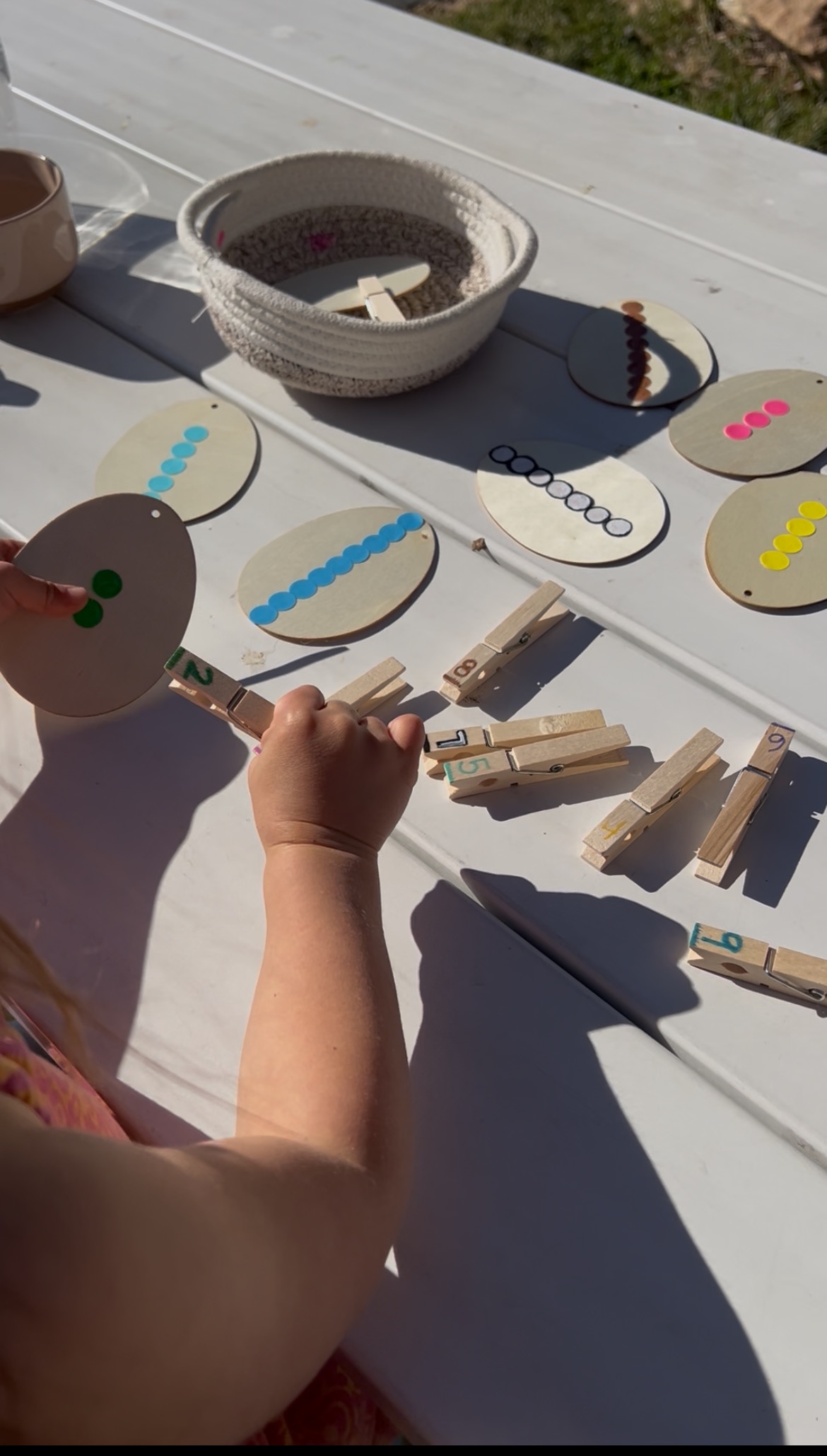
As a Montessori guide and mama, I’ve watched toddlers light up when given real, meaningful work. What many call “chores” isn’t drudgery in a Montessori home—it’s purposeful activity that taps into a child’s natural drive to contribute, master skills, and feel capable. Practical life exercises (pouring, sweeping, setting the table, watering plants) form the heart of Montessori for toddlers aged 1–3, and the benefits ripple through every area of their development.

Here’s why embracing these everyday tasks can transform your toddler’s growth—and your family rhythm.

1. Sparks Deep Independence
Toddlers crave autonomy: “Help me do it by myself!” is their inner motto. When we offer child-sized tools and invite them to pour their own water, fold a napkin, or wipe a spill, they experience real self-reliance. This builds a powerful sense of “I can”—boosting confidence and reducing tantrums born from frustration. Over time, they rely less on adults for basic needs and more on their own growing abilities.

2. Sharpens Concentration & Focus
Practical life work is repetitive and absorbing—exactly what a young brain needs. A toddler carefully carrying a tray or scrubbing a table enters a flow state, strengthening their attention span. This focused repetition lays the groundwork for later academic concentration (like reading or math work). Many parents notice calmer, more settled children after consistent practical life invitations.

3. Refines Coordination & Fine Motor Skills
Grasping a small pitcher, using a sponge, or buttoning a coat demands precise hand movements. These activities naturally develop hand-eye coordination, pincer grasp, and bilateral coordination—skills that prepare tiny hands for writing, cutting, and self-care. Gross motor benefits come too: sweeping or watering builds balance and whole-body control.
4. Cultivates Responsibility & Respect
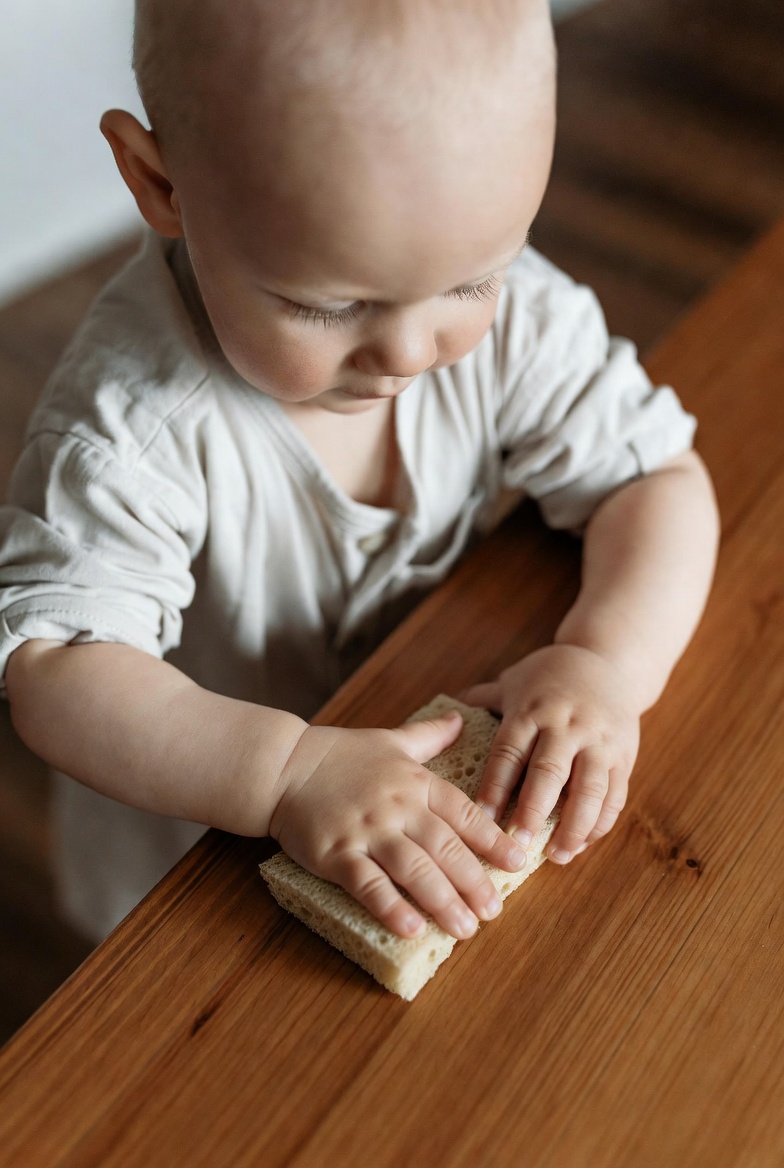
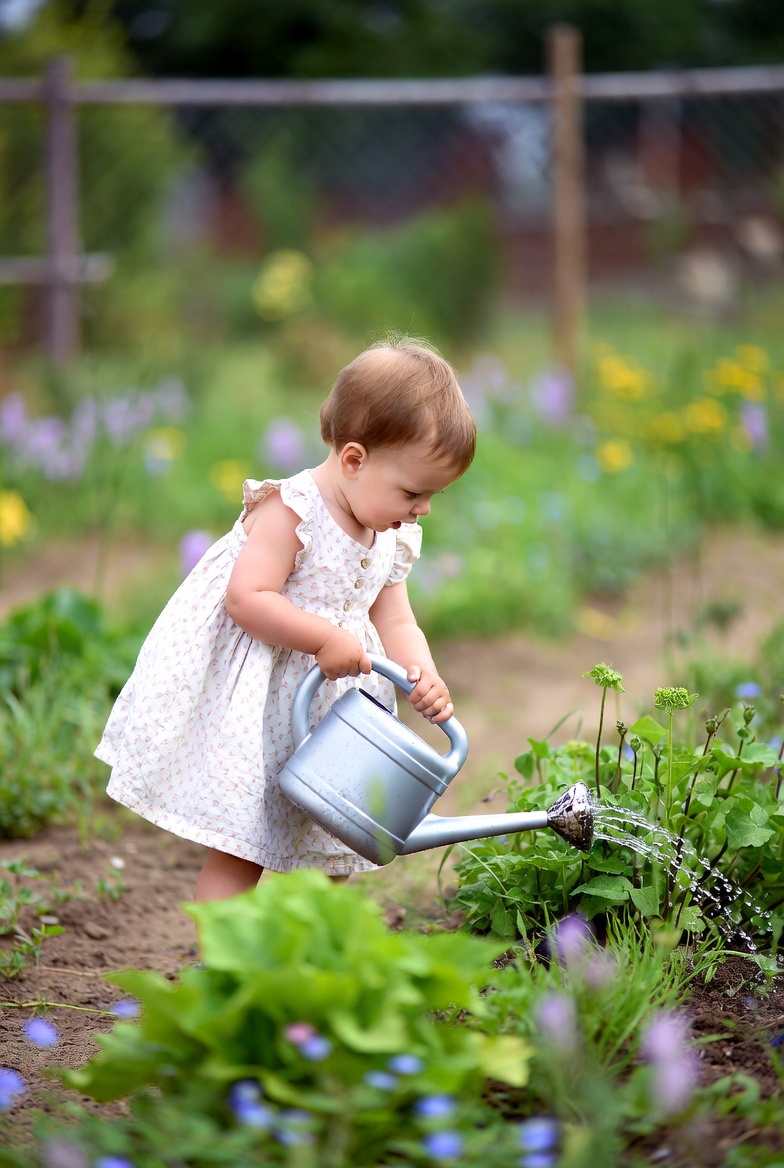
When toddlers care for plants, set the family table, or tidy toys, they learn their actions matter. They develop respect for the environment, others, and themselves. Pride swells as they see the “before and after”—a clean space or a nourished plant—and they feel like valued contributors to the family. This fosters empathy, orderliness, and a lifelong love of purposeful work.
5. Strengthens Emotional Resilience & Joy
Practical life isn’t about perfection—it’s about effort and process. Spills happen, and that’s okay. Toddlers learn to problem-solve, persist, and celebrate small wins. These experiences build emotional regulation, grit, and intrinsic motivation. Best of all, they turn “helping” into joyful connection: shared moments in the kitchen or garden create bonds and happy memories.

Simple Ways to Start at Home
🌿 Set up a low shelf with child-sized pitchers, sponges, and cloths.
🌿 Invite participation: “Would you like to water the plants today?”
🌿 Model slowly and calmly, then step back.
🌿 Keep tasks age-appropriate and inviting—no pressure, just opportunity.

In Montessori, we don’t give toddlers tasks just to make them “little helpers,” we do so to celebrate the beautiful way they become joyful contributors to the family. When we offer them meaningful work through practical life activities, we meet their deepest developmental needs while nurturing their sense of belonging and pride in helping the family community thrive.

What practical life activity has your toddler loved most? Share in the comments—I’d love to hear your stories!

Warmly,
Whitney
Our Lantern – Empowering Health Sovereignty for Families 🌿


Ready to spark joy and independence in your toddler’s day?

Download your free Little Helper Chore Cards now—a Montessori-inspired printable set to help your little one contribute with confidence, build practical life skills, and feel like a true part of the family rhythm.

Some links on the Our Lantern blog post are affiliate links. This means if you click them and make a purchase, I may receive a small commission at no extra cost to you. 

Thank you for your support

What Health Sovereignty Means to Me as a Parent: Claiming Our Family’s Future, One Joyful Choice at a Time

As a mama to a bright, curious toddler, I often lie awake wondering about the world my child will grow up in. Climate shifts, supply chain hiccups, over-medicalized systems, and endless uncertainties swirl in my mind. How do I prepare her not just to survive, but to thrive—with a strong body, a resilient spirit, and the confidence to navigate whatever comes?

For a long time, my focus was on creating a non-toxic home—learning about hidden chemicals, making safer swaps for cleaners and personal care, and reducing everyday exposures that could impact our health. It was an incredibly important chapter: it brought awareness, empowered me to make better choices, and helped our family feel more protected in a world full of questionable products.

But over time, I realized that approach, while valuable, sometimes kept me in a reactive, avoidance mindset—always scanning for what to eliminate rather than what to actively build. I wanted more. I wanted to shift from protecting against to proactively claiming something deeper and more abundant for my family.

That’s when health sovereignty became my new guiding light.

To me, health sovereignty is about reclaiming full ownership over our family’s well-being. It means stepping away from excessive dependence on external systems—big food corporations, fragile global supply chains, or one-size-fits-all health approaches—and instead building our own foundation of empowerment and resilience.

It’s not about isolation or fear. It’s about intention, joy, and balance: making informed, autonomous choices so we’re not at the mercy of what’s convenient or heavily marketed. In our home, that looks like:

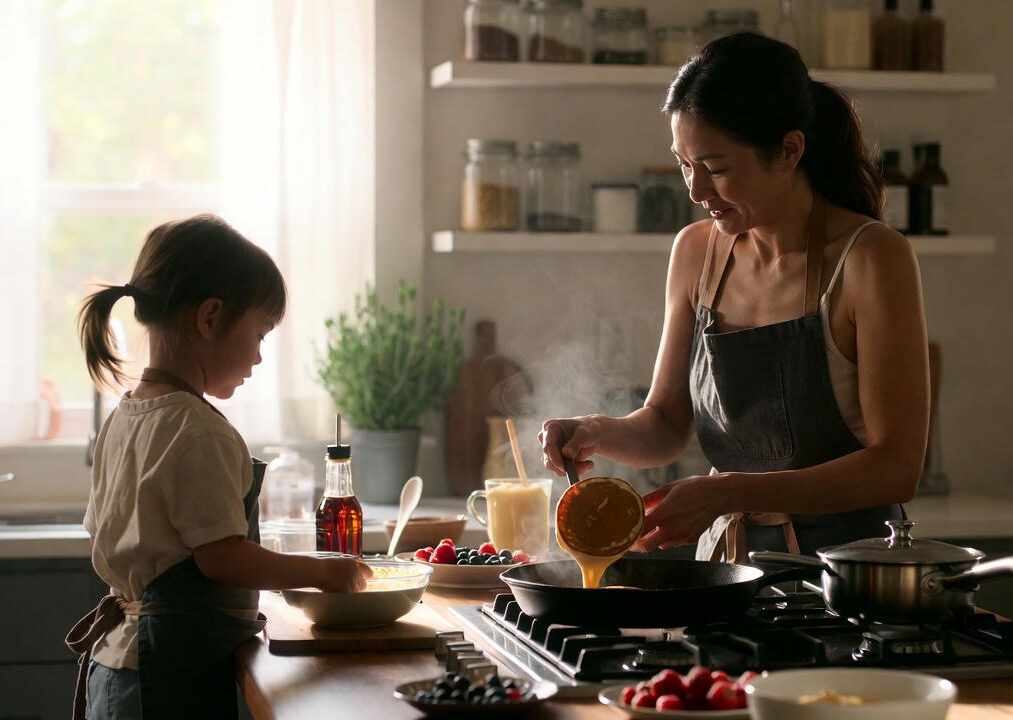
🌿 Nourishing from scratch with real, whole foods that fuel energy and connection. We cook simple, nutrient-dense meals together—my little one helps measure oats or stir soup—and in those moments, she learns kitchen confidence and the deep satisfaction of creating her own nourishment.

🌿 Creating Montessori-inspired prepared environments that spark independence. Child-sized tools, open shelves, and practical life activities (like pouring water or setting the table) give her the gift of “I can do it myself.” These spaces aren’t just organized—they’re beautiful invitations to grow capable and self-reliant.

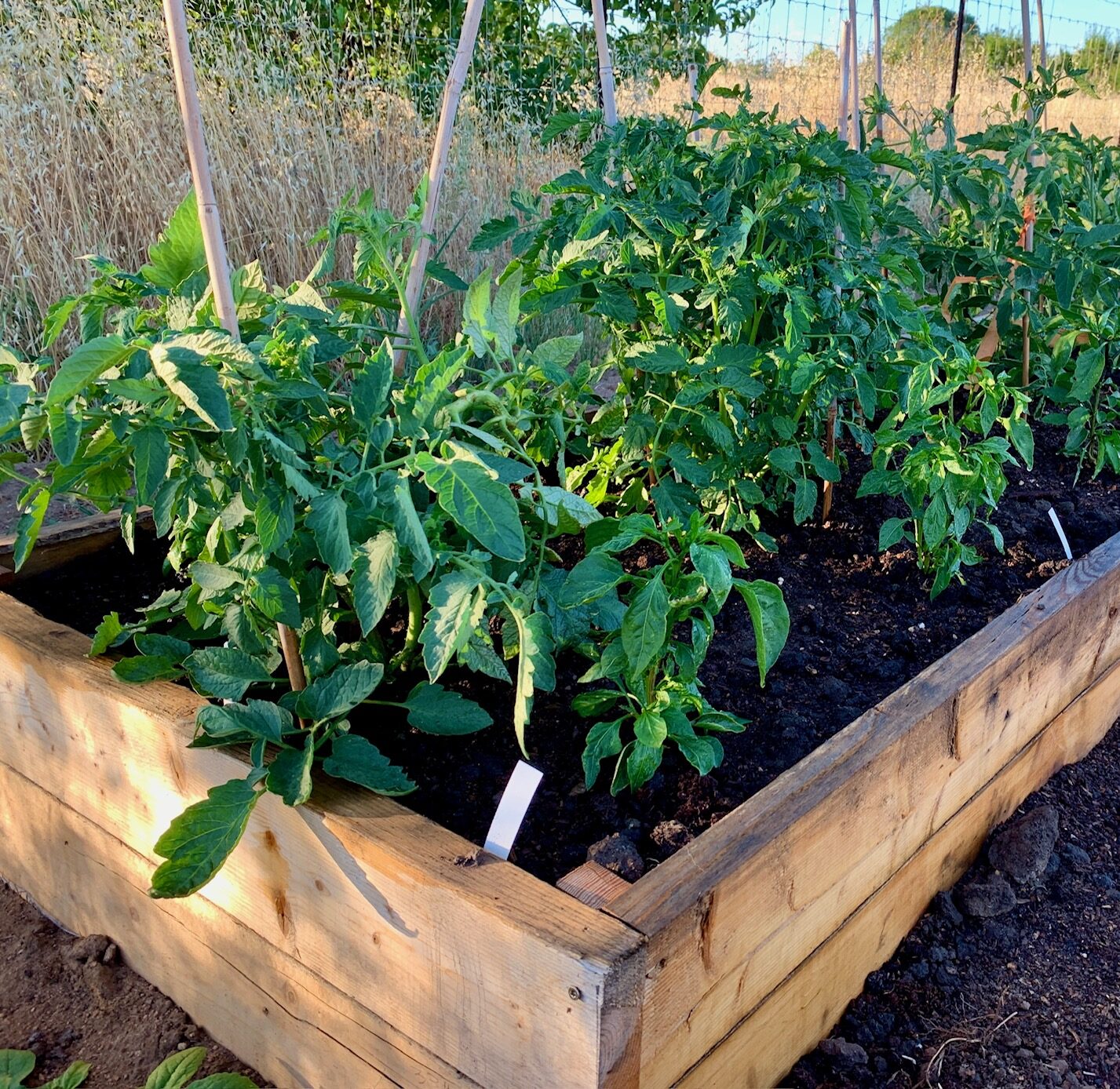
🌿 Embracing small-scale homesteading for everyday self-sufficiency. A windowsill herb garden, batch-prepping nourishing staples, making cleaners from pantry ingredients—these small practices reduce reliance on store-bought everything and weave sustainability into our rhythm.

Health sovereignty gives me hope. It’s the sweet assurance that I’m equipping my daughter with tools she can carry forever: listening to her body, making wise decisions, adapting with grace, and finding joy in real contribution to our family.

In a world that can feel chaotic, this approach isn’t about controlling every outcome. It’s about creating a calm, abundant center where our family thrives—rooted in nourishment, independence, and connection.

If you’re a parent feeling that same pull toward more intentional living, know you’re not alone. Small, joyful steps add up to big resilience.

What does health sovereignty look like in your family? I’d love to hear in the comments below.

With gratitude and light,

Whitney
Our Lantern 

Links on the Our Lantern blog post are affiliate links. This means if you click them and make a purchase, I may receive a small commission at no extra cost to you. 

Thank you for your support

A Deeper Look at Flame Retardants

A Deeper Look at Flame Retardants

We’re lingering here in the cozy corners where our babies sleep, ride, and cuddle up with us: crib mattresses, car seats, upholstered furniture, couches, and even those flowing curtains or dangling blinds that little ones love to peek behind or tug during hide-and-seek. These everyday spots often carry added flame retardants, PFAS for stain resistance, and even dyes in fabrics or leather—research points to hormone shifts, developmental differences, or skin sensitivities with ongoing exposure. If you’ve noticed dye rubbing off your current leather couch onto clothes or skin, that’s a loving nudge to pay attention—some synthetic dyes (like certain azo compounds) can contain heavy metals or irritants that aren’t ideal for little ones constantly snuggling close.

The beautiful part? So many brands now skip the extras entirely, using natural materials that are just as comfy (or comfier).

A Deeper Look

Flame retardants—often added to fabrics, foams, and plastics for fire safety—have been a concern in studies for years. They’re designed to slow fires, but they don’t always stay put; they can migrate into dust, air, or onto our hands, and little ones (with their hand-to-mouth exploring and floor play) end up with higher exposure.

Research from places like the NIH and EPA shows they might disrupt hormones (like thyroid function, which helps with growth and brain wiring), interfear with immune responses, or link to reproductive or developmental shifts. In kids, higher levels have been tied to things like attention or behavioral issues or even impacts on learning and cognitive growth. Babies and toddlers are especially sensitive because their bodies are building so fast—brains developing, hormones calibrating—and even low, ongoing doses can add up. Some types (like PBDEs or OPEs) are neurotoxic in animal research that echoes human patterns, potentially linking to things like early puberty signals or immune tweaks. And while not every exposure leads to big changes, the science whispers that lowering them where we can supports their natural resilience. We’re not talking emergencies—just thoughtful choices for their budding worlds.

Where They Often Hide

  • Mattresses and upholstered furniture for fire safety and cushioning.
  • Car seats for protection and easy-clean features.
  • Couch fabrics or leather finishes for color and durability.
  • Curtains and blinds, especially synthetic or treated ones, for flame resistance (some states have even banned certain retardants in window treatments for kids’ spaces). If your baby loves hide-and-seek behind them or pulling cords, that playful contact could mean more dust or residue on tiny hands—plus, some have PFAS for stain-proofing.

Gentle, Loving Swaps We’re Making

  • Crib mattress & bedding: The Avocado Organic Crib Mattress—handcrafted with GOTS-certified organic cotton, wool (naturally flame-resistant), and latex, no added chemicals or PFAS. Pair it with their Organic Cotton Waterproof Mattress Protector (soft, breathable quilted cotton), Organic Crib Sheets (luxurious 400-thread-count cotton), and when your little one is ready for a pillow (usually around age 2), the Avocado Organic Toddler Pillow filled with organic latex and kapok for gentle support.
  • Car seat: Nuna’s line (like the Nuna RAVA convertible) uses naturally flame-resistant materials with no added retardants. Britax Naturally Flame Retardant models and UPPAbaby options do the same—safe and sturdy.
  • Couch: Look for pieces with GOTS organic or OEKO-TEX certified fabrics (tested for harmful dyes including restricted azos), no added flame retardants, and PFAS-free treatments.
    – Sabai’s Essential Sofa—affordable, made with natural materials, no flame retardants or PFAS, and fully repairable for years of family cuddles.
    – Medley Furniture’s custom sofas—beautifully handcrafted with GOTS organic fabrics, natural wool and latex filling, zero chemical treatments, and low-impact dyes.
    – Bonus: Crate & Barrel’s GREENGUARD Gold certified options (many without added retardants or PFAS) if you’re wanting something readily available.
  • Curtains and blinds: Opt for untreated organic cotton or linen curtains (like from The Organic Company or West Elm’s organic lines—no flame retardants or PFAS). For blinds, natural wood or aluminum (free from VOCs and chemicals, like from Blinds.com’s eco options) keep things safe for playful fingers—add cord safety wraps if needed for hide-and-seek adventures.

It’s absolutely okay to love what you have right now—cover that leather couch with a big organic cotton throw for the moment, tie back curtains during playtime, or save up for a new one when the time feels right. These spaces are already filled with your warmth; small upgrades just add a little more peace.

Gentle Choices for Our Little Ones: Navigating Everyday Chemicals with Love

Gentle Choices for Our Little Ones: Navigating Everyday Chemicals with Love

Hey there, sweet mama!

I see you—rocking that sleepy baby in the quiet hours, scrolling for answers while trying to keep your heart steady. You’re doing this beautiful, hard thing called motherhood, and sometimes the world throws information at us that feels heavy. I question every day, why is non-toxic not the standard? not the norm?

Today, I want to sit beside you (virtually, with a warm cup of tea) and share what I know about some everyday chemicals that show up in our homes: flame retardants, PFAS (those “forever chemicals”), phthalates and other plasticizers, and heavy metals. They’re in a lot of places, and research shows they can affect our little ones’ developing bodies more than we’d like.

But here’s the truth I’m holding onto, and I want you to hold it too: we don’t have to be perfect. We just get to make small, loving choices that all add up. It’s okay if it feels like a lot—because it is. And it’s also okay to breathe, prioritize, and do what feels manageable right now.


A Little Science

Our babies and toddlers are growing so fast—their brains, hormones, and immune systems are wiring themselves in these early years. Certain chemicals can gently disrupt that process if exposure is ongoing.

Studies link:

Flame retardants (often in furniture, pajamas, and car seats) to things like hormone changes or slight impacts on attention and learning.

PFAS (in stain-resistant fabrics, non-stick items, and some food packaging) to immune shifts or developmental differences.

Phthalates and plasticizers (in soft plastics, scents, and vinyl) to hormone-related effects, like early puberty signals or reproductive development in animal studies that translate to human concerns.

Heavy metals like lead and cadmium (in old painted dishes or house paints, dust, or even some foods) to subtle effects on brain development and IQ over time.

These aren’t overnight emergencies—they build with repeated exposure. The good news? Many families already have lower levels thanks to phased-out chemicals, and we can gently lower them more.

Where They Hide

These chemicals often overlap in everyday items, so let’s look at common spots together:

1. Furniture, mattresses, and car seats → Flame retardants and sometimes PFAS for stain resistance.

Look for brands that skip added flame retardants (like certain natural wool mattresses or specific car seat lines—Nuna is one that skips them entirely). Wool is naturally flame-resistant—no chemicals needed.

2. Clothing and pajamas→ Flame retardants in synthetics; PFAS in water-repellent treatments.

Choose snug-fitting organic cotton pajamas (no need for chemical treatments when they’re fitted). For outerwear, skip “stain-proof” claims and “waterproffing” when possible. If you need waterproof outerwear, look for labels mentioning “BIONIC-FINISH ECO,” “fluorine-free DWR,” or “PFAS-free” with bio-based claims. My mama gut is still unsure about these “bio” coatings, but seems like the best, affordable option.

3. Toys and teething items→ Phthalates in soft plastics; sometimes heavy metals in paints.

Wood or natural rubber toys are good alternatives. Avoid vinyl (PVC) when you can—many beautiful phthalate-free options exist now. Avoid paints and varnish on anything that will go into your baby’s mouth.

4. Kitchen and feeding items→ PFAS in some non-stick or grease-proof packaging; heavy metals in older ceramics or vintage glassware.
Speaking of vintage—those gorgeous colored Pyrex bowls from Grandma? Many (especially pre-1980s with painted designs) test positive for lead in the decorations, which leach over time, especially with hot or acidic foods. It’s absolutely okay—truly, mama—to thank them for their service and retire them to pretty display shelves or even repurpose as planters. Swap in stainless steel or modern glass (lead-free certified), for mixing and storing. Your baby’s brain will thank you, and Grandma would want you peaceful.

5. Food and water→ Heavy metals naturally occur in soil (rice, root veggies); PFAS can show in contaminated water.

Vary your baby’s diet, choose lower-heavy-metal brands when possible, and filter water if your area has concerns. You can look up your local water’s quality on EWG’s website.

A Soft Affirmation for Your Heart

It’s okay to let things go.
It’s okay to not do it all today.
It’s okay to choose stainless over sentimental if it gives you peace.
You’re doing great—you’re fiercely loving.

Start with one corner of the nursery, one drawer of clothes, one shelf in the kitchen. Progress over perfection, always.

You’ve got this, mama. We’re all learning together, and our babies are so resilient—wrapped in our love and these gentle choices.

With warmth and solidarity,

Whitney 
Another mama walking the path

*(Sources include peer-reviewed studies and government health agencies like NIEHS, NIH, EPA, and CDC-linked research—linked for transparency.)*

Links on the Our Lantern blog post are affiliate links. This means if you click them and make a purchase, I may receive a small commission at no extra cost to you. 

Thank you for your support

Looking for more non-toxic household swaps? Download my free checklist now!

27 Non-Toxic Swaps

A Gentle Path to a Toxin-Free Home: My Research Ritual

In a world that feels loud and complicated, here’s how I quietly sift through the noise—so you can simply choose what feels safe and beautiful for your family.

Dearest mama,

Some evenings, after the sun has dipped low and the house is quiet, I light the fire and sit with my notebook. I think of the old ways—when homes were filled with wood, wool, and things made by hand—and how far we’ve drifted. As a Montessori guide and mother, I long for that simplicity again: calm shelves, natural light, a space where my daughter can explore freely without my heart whispering worries about hidden harms.

The world of “non-toxic” can feel heavy, can’t it? So many voices, so many choices, when all we truly want is peace of mind. I’ve walked that weary path—late nights reading studies, heart sinking at what I found. But over time, I’ve gathered a gentle routine that brings me back to center. Many sites focus on only one toxin, so I’ve done the work of researching and asking, pulling many pieces of data together to make an informed decision. Now, you don’t have to carry that load alone.

If you’re longing for a simpler, safer home, come sit with me a moment. Here’s how I choose what comes through our door.

My Research Ritual

I begin with three trusted places—independent voices who test and share without fanfare:

  • Environmental Working Group (EWG): Their Skin Deep guide feels like an old apothecary book—clear ratings that help me choose gentle soaps and balms that truly nourish tender skin.
  • Mamavation: Like a wise neighbor sharing what she’s learned, they lab-test for forever chemicals in everyday things. I trust her careful uncovering.
  • Lead Safe Mama: Tamara’s testing reminds me of a mother checking her well water—she scans dishes and toys for heavy metals and shares the truth plainly.

I keep these bookmarked, like favorite recipes. After crosschecking these sites, I can decided if something is right for our home.

Then, I write directly to the source

When something catches my eye, I send a simple note to the maker: “Can you share the full list of ingredients?” “What oils or dyes touch this wood?” Most answer kindly. The ones who share openly earn my trust; the ones who hide behind vague words stay outside our home.

Finally, I Listen to My Heart

With the answers in hand, I ask: Does this belong on our shelves? Will it grow with her? Is it kind to our home and our wallet? If it feels peaceful, it finds a place. If not, I let it go without guilt.

Our home breathes easier now—wooden toys warmed by little hands, cotton tunnels for hiding and giggling, shelves that invite rather than overwhelm.

If you’re feeling the weight of too many decisions, start with just one thing. Light a fire, open one of those trusted sites, and trust your mama heart. You don’t have to do it all at once.

I’m here walking this path too—gathering, asking, sharing—so we can both return to the simple beauty of childhood.

With warm wishes and calm shelves,

Whitney 

A Montessori mama tending a heatlhier home 🤍

→ If you’d like my list of safest swaps, it’s yours free here: 

27 Non-Toxic Swaps

Links on the Our Lantern blog post are affiliate links. This means if you click them and make a purchase, I may receive a small commission at no extra cost to you. 

Thank you for your support