The Magic of Chores: How Practical Life Skills Build Confident Toddlers
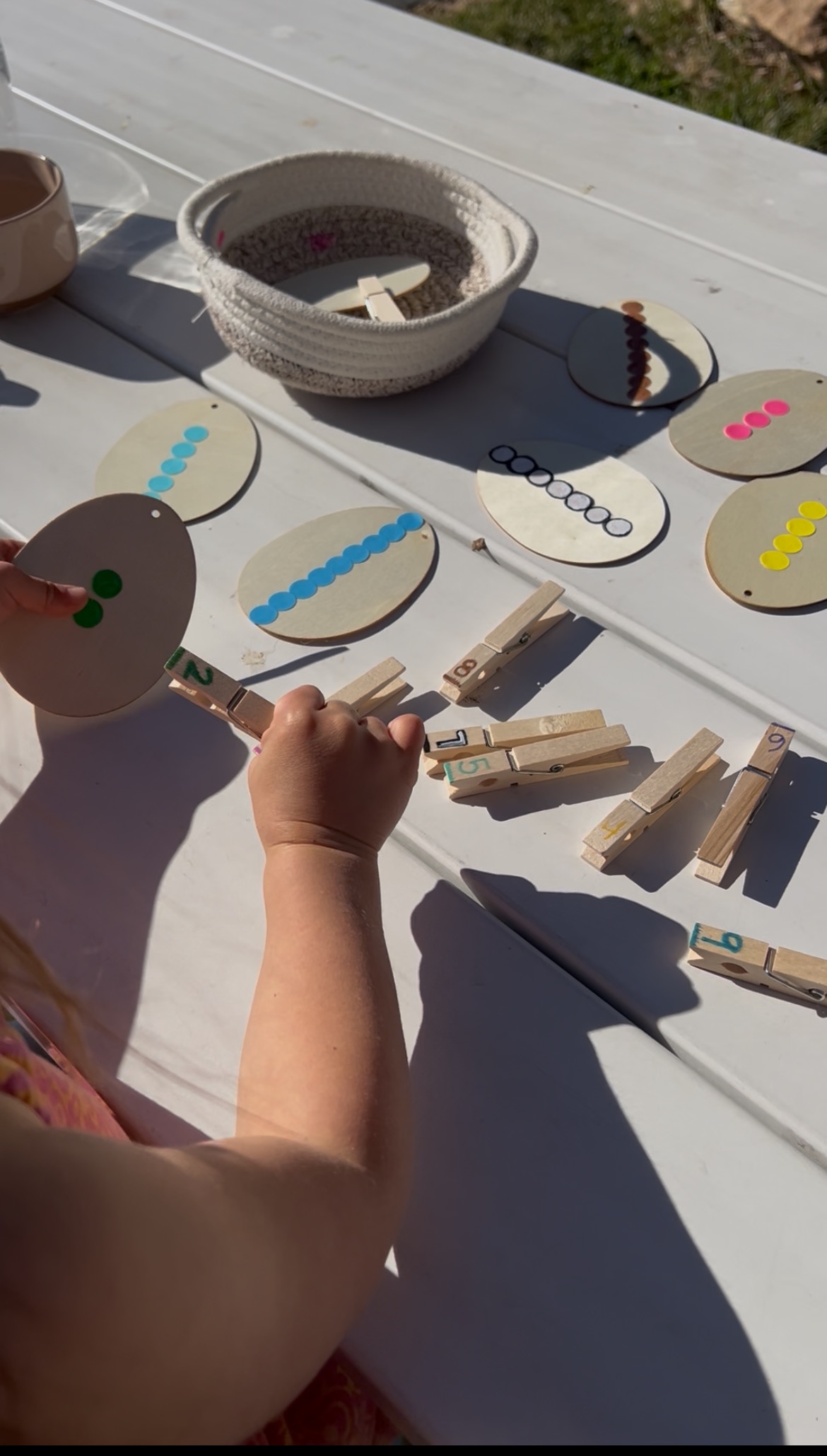
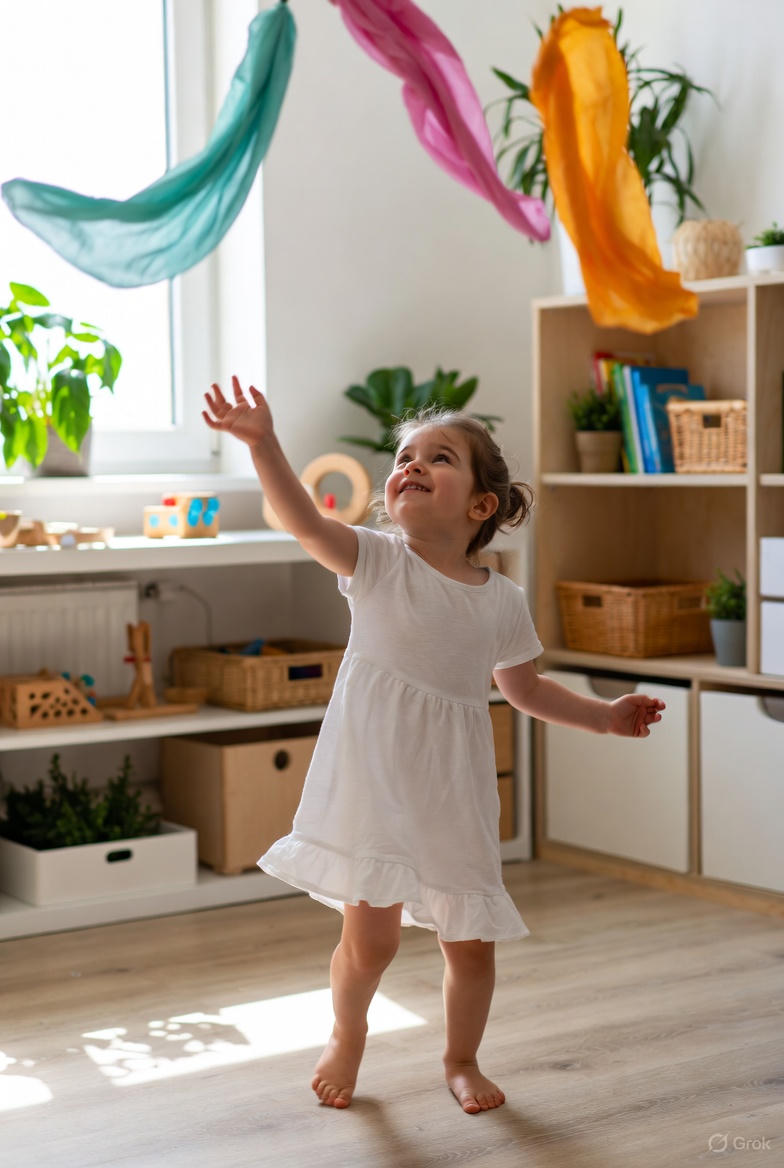
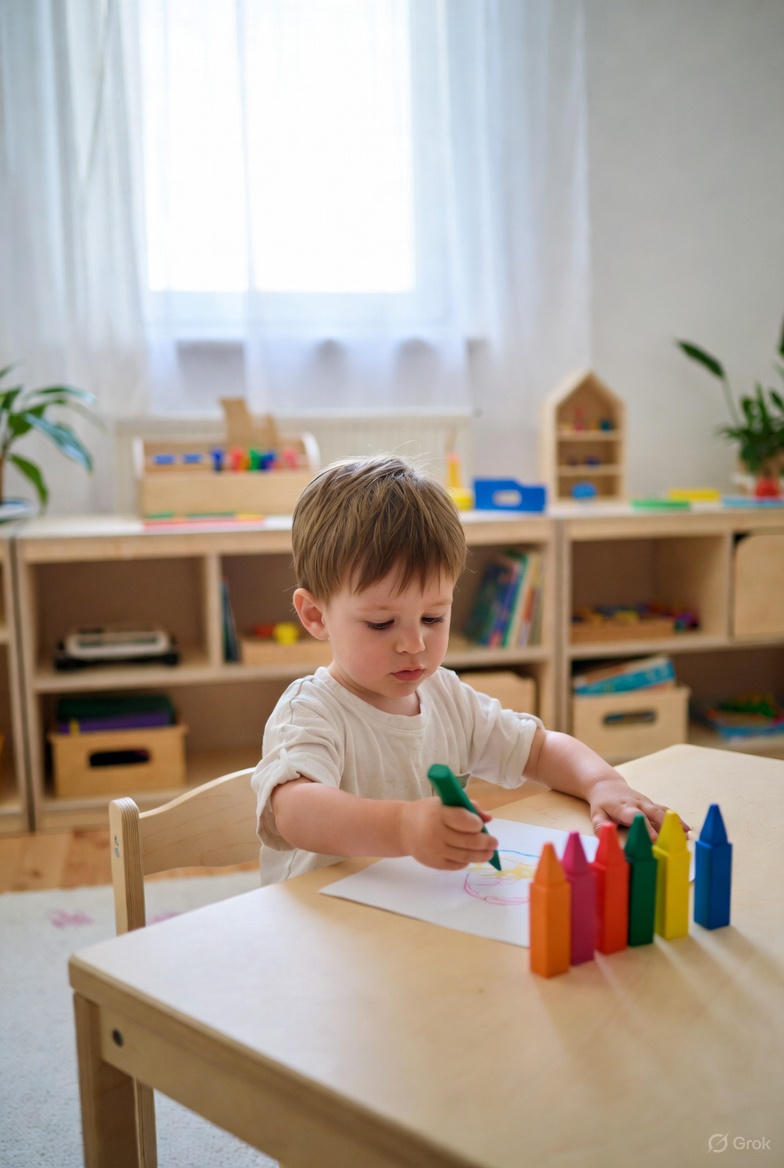
As a Montessori guide and mama, I’ve watched toddlers light up when given real, meaningful work. What many call “chores” isn’t drudgery in a Montessori home—it’s purposeful activity that taps into a child’s natural drive to contribute, master skills, and feel capable. Practical life exercises (pouring, sweeping, setting the table, watering plants) form the heart of Montessori for toddlers aged 1–3, and the benefits ripple through every area of their development.
Here’s why embracing these everyday tasks can transform your toddler’s growth—and your family rhythm.
1. Sparks Deep Independence
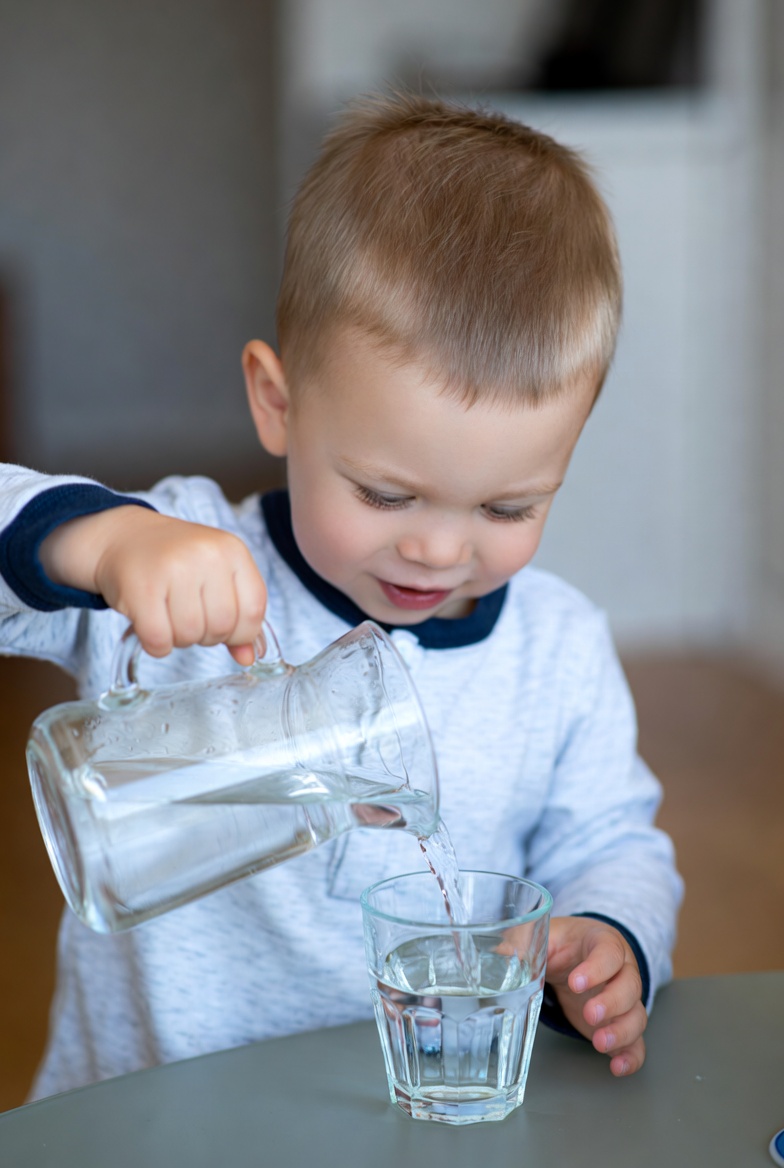
Toddlers crave autonomy: “Help me do it by myself!” is their inner motto. When we offer child-sized tools and invite them to pour their own water, fold a napkin, or wipe a spill, they experience real self-reliance. This builds a powerful sense of “I can”—boosting confidence and reducing tantrums born from frustration. Over time, they rely less on adults for basic needs and more on their own growing abilities.
2. Sharpens Concentration & Focus
Practical life work is repetitive and absorbing—exactly what a young brain needs. A toddler carefully carrying a tray or scrubbing a table enters a flow state, strengthening their attention span. This focused repetition lays the groundwork for later academic concentration (like reading or math work). Many parents notice calmer, more settled children after consistent practical life invitations.
3. Refines Coordination & Fine Motor Skills
Grasping a small pitcher, using a sponge, or buttoning a coat demands precise hand movements. These activities naturally develop hand-eye coordination, pincer grasp, and bilateral coordination—skills that prepare tiny hands for writing, cutting, and self-care. Gross motor benefits come too: sweeping or watering builds balance and whole-body control.
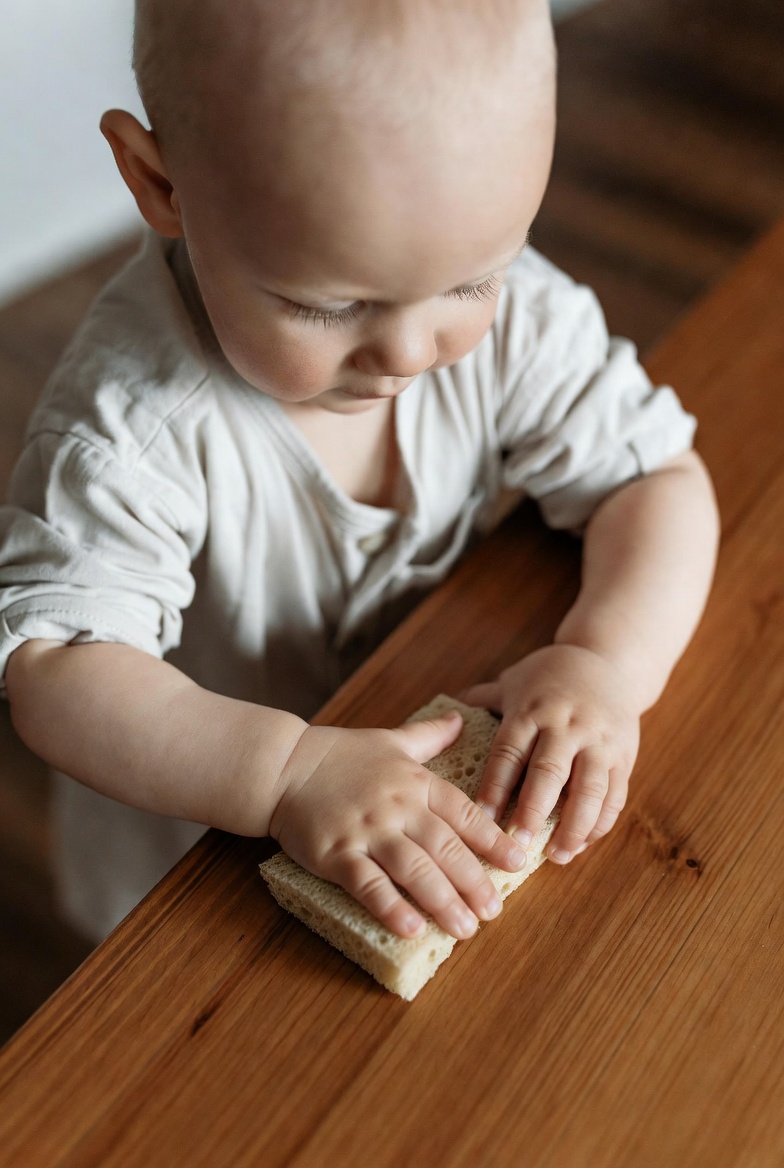
4. Cultivates Responsibility & Respect
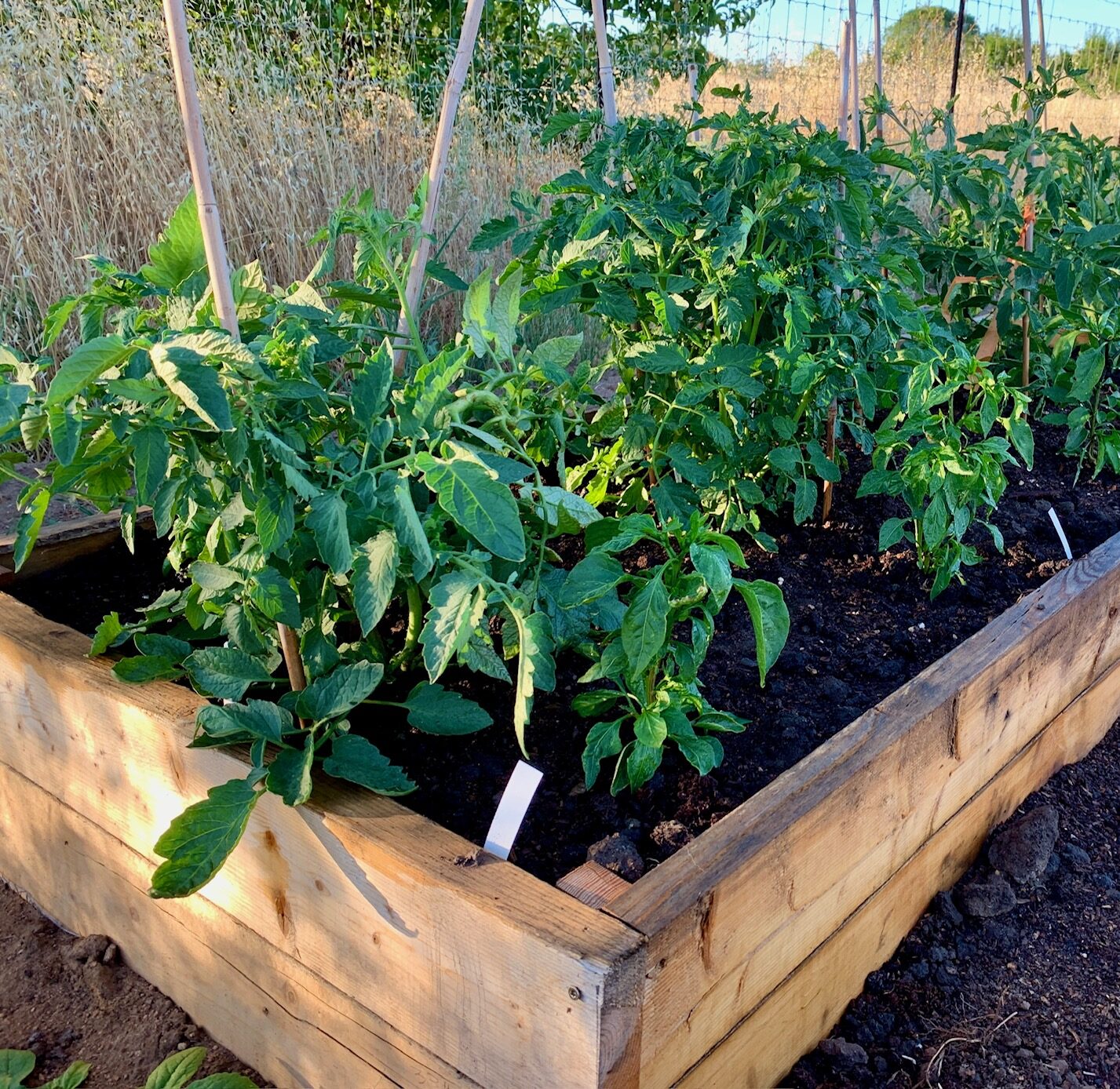
When toddlers care for plants, set the family table, or tidy toys, they learn their actions matter. They develop respect for the environment, others, and themselves. Pride swells as they see the “before and after”—a clean space or a nourished plant—and they feel like valued contributors to the family. This fosters empathy, orderliness, and a lifelong love of purposeful work.
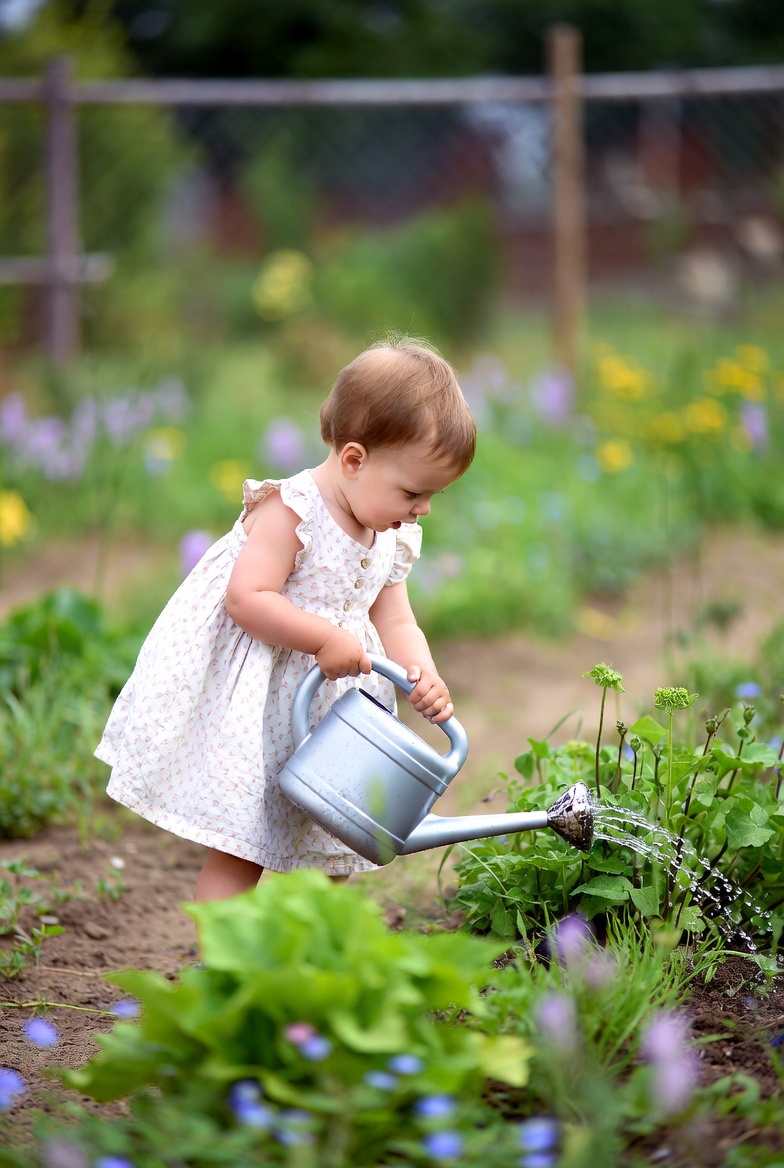
5. Strengthens Emotional Resilience & Joy
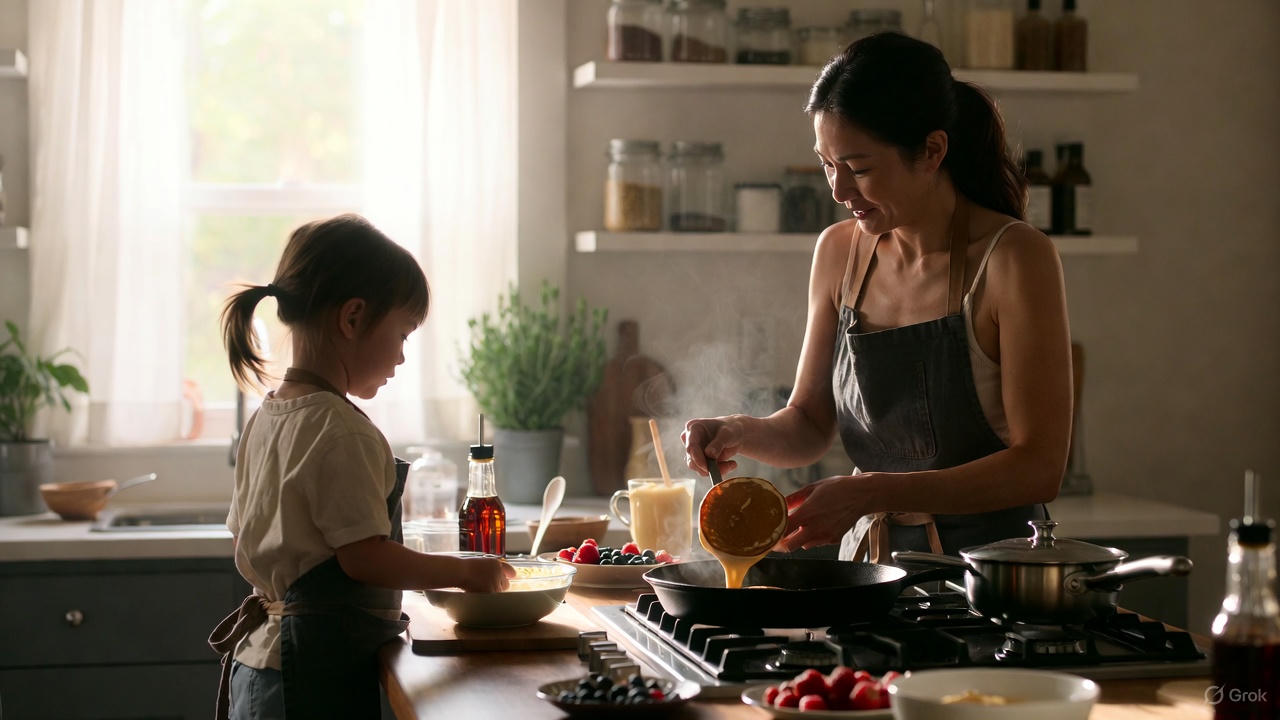
Practical life isn’t about perfection—it’s about effort and process. Spills happen, and that’s okay. Toddlers learn to problem-solve, persist, and celebrate small wins. These experiences build emotional regulation, grit, and intrinsic motivation. Best of all, they turn “helping” into joyful connection: shared moments in the kitchen or garden create bonds and happy memories.
Simple Ways to Start at Home
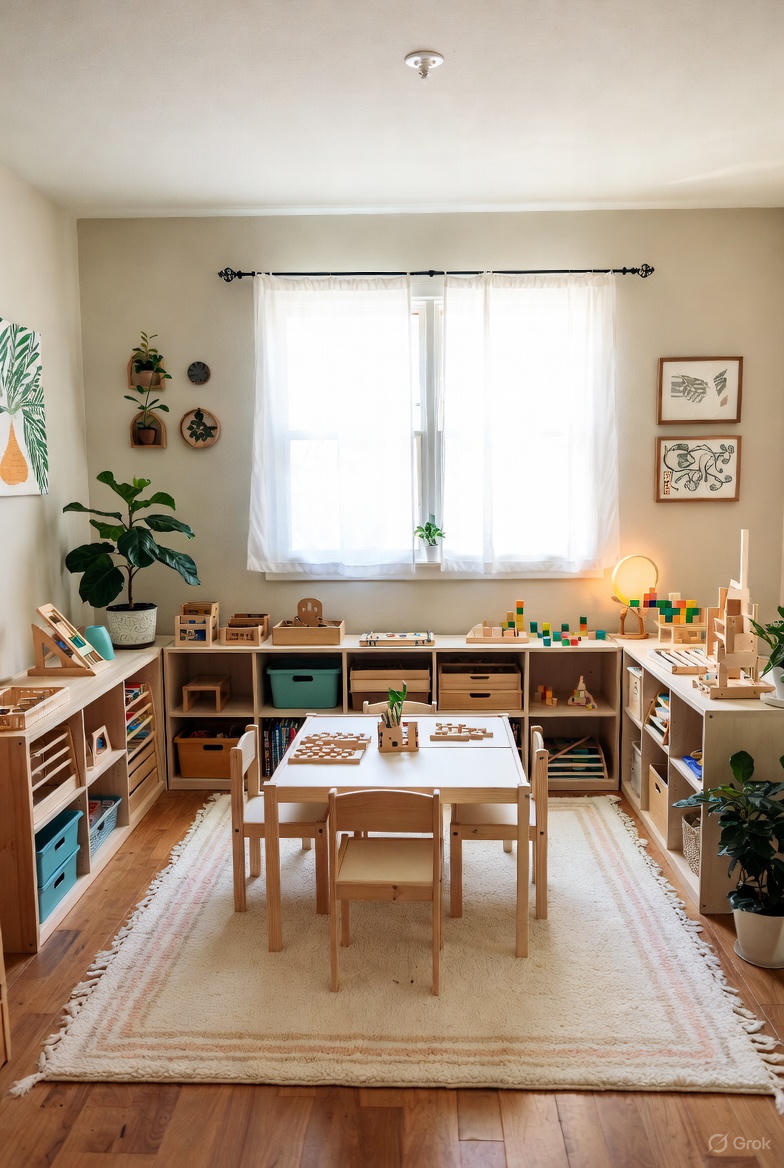
🌿 Set up a low shelf with child-sized pitchers, sponges, and cloths.
🌿 Invite participation: “Would you like to water the plants today?”
🌿 Model slowly and calmly, then step back.
🌿 Keep tasks age-appropriate and inviting—no pressure, just opportunity.
In Montessori, we don’t give toddlers tasks just to make them “little helpers,” we do so to celebrate the beautiful way they become joyful contributors to the family. When we offer them meaningful work through practical life activities, we meet their deepest developmental needs while nurturing their sense of belonging and pride in helping the family community thrive.
What practical life activity has your toddler loved most? Share in the comments—I’d love to hear your stories!
Warmly,
Whitney
Our Lantern – Empowering Health Sovereignty for Families 🌿
Ready to spark joy and independence in your toddler’s day?
Download your free Little Helper Chore Cards now—a Montessori-inspired printable set to help your little one contribute with confidence, build practical life skills, and feel like a true part of the family rhythm.
Some links on the Our Lantern blog post are affiliate links. This means if you click them and make a purchase, I may receive a small commission at no extra cost to you.
Thank you for your support ♡